
![]() |
![]() |
![]() |
![]() |
| Hunting Home | Contact Us | News | DNR Home | ![]() |
|
|
| Wildlife Diversity |
| Fishing |
| Law Enforcement |
| Publications |
| Disability Services |
| News/Info |
| Licensing |
| go Wild! |
| License Plate |
| Kid Zone |
|
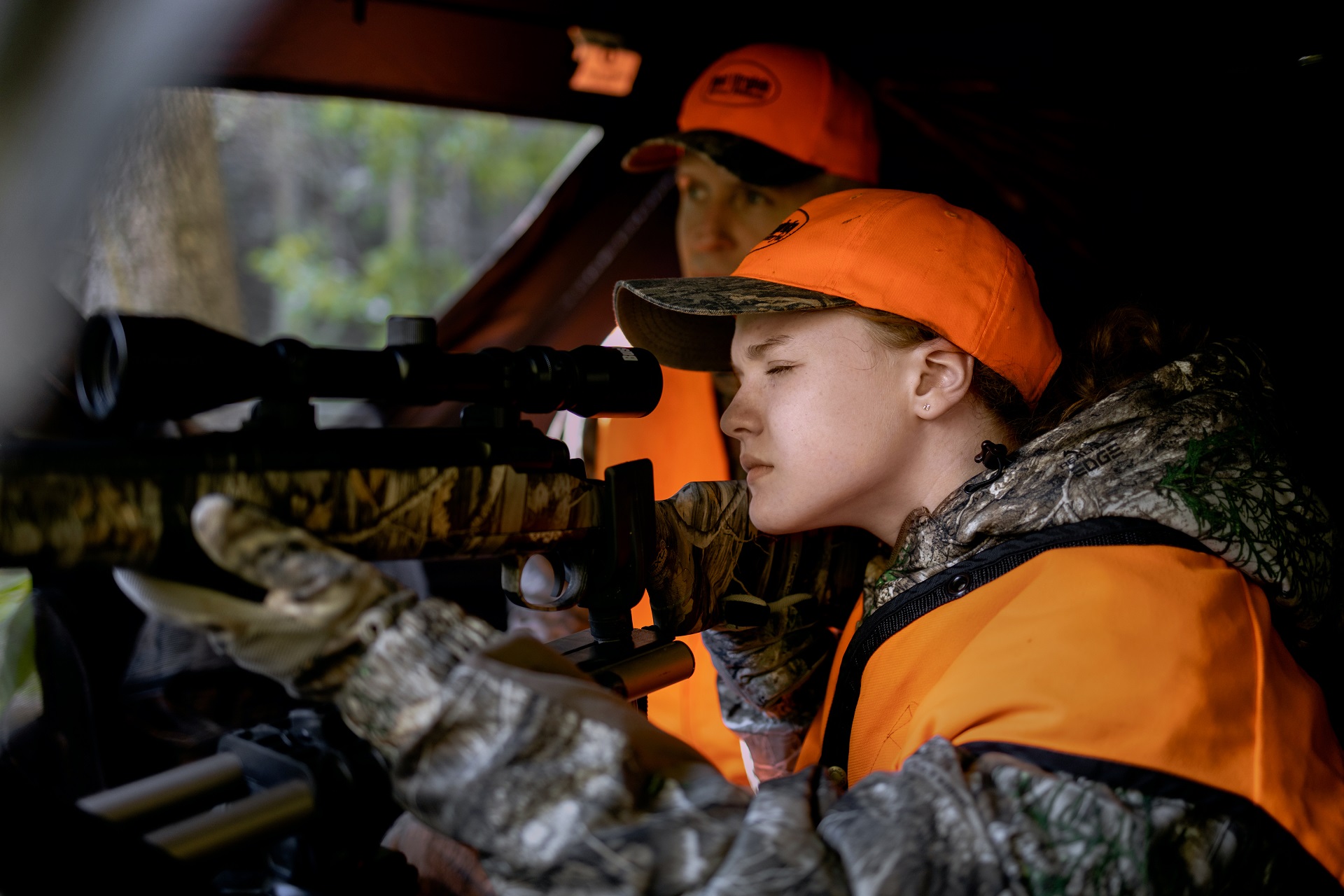
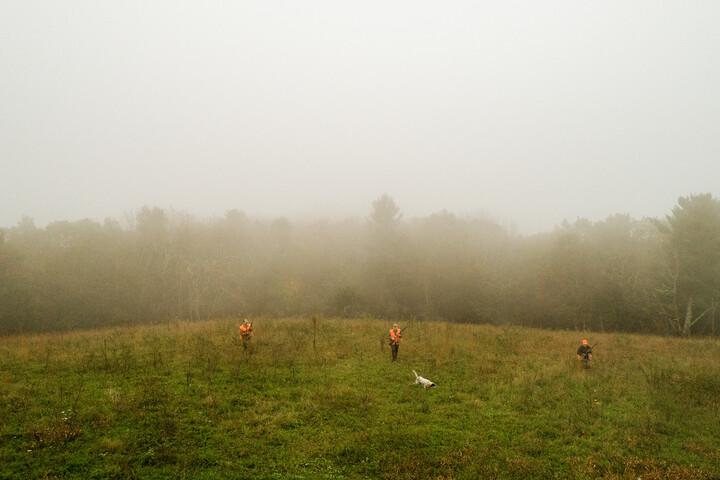
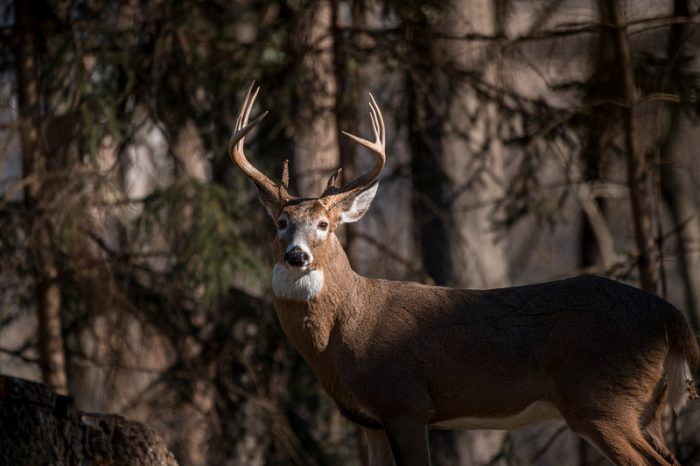
Deer Harvest 2003 Table 1. West Virginia Antlered Buck Harvest, 1999-2003. Table 2. Antlered Buck Gun Harvest By Locality In West Virginia, 1999-2003. Table 3. West Virginia White-Tailed Deer Bow Harvest, 1999-2003. Table 4. Deer Bow Harvest By Locality In West Virginia, 1999-2003. Table 5. West Virginia Anterless Gun Harvest, 1999-2003. Table 6. Antlerless Deer Harvest By Locality In West Virginia, 1999-2003. Table 7. Muzzleloader Deer Seasons In West Virginia, 1999-2003. Table 8. Deer Mortality By Type of Season, 2003. Table 9. West Virginia 2003 Deer Kill Per Square Mile of Habitat By Season Table 10. Nonseasonal white-tailed deer mortalities in West Virginia, 1978-2003. In 2003, the traditional bucks-only firearm season harvest of antlered bucks was 73,128, a decrease of 24% from the 2002 harvest (Table 1). This is 18% less than the five-year average harvest of 90,077, and ranks fourteenth among all past years. The 2003 antlerless season deer harvest decreased by 15% from the 2002 record harvest of 104,199. A total of 89,065 antlerless deer (Table 5) were taken in the most liberal antlerless season since 1909. The antlerless season was open in 2003 for 22 days on private land in 48 counties plus portions of an additional three counties, 6 days on most public land, and qualifying youth and License Class Q (physically challenged) holders had an additional three-day antlerless-only season. The 2003 antlerless season harvest was the third highest on record and 8% more than the five-year average antlerless harvest of 82,168. The 2003 archery season harvest of 29,790 decreased 20% from that of the 2002 archery season. This year's archery harvest was sixth highest on record and 10% below the five-year average of 33,109 (Table 3). The 2003 muzzleloader season harvest was 16,272, a decrease of seven percent from 2002, 23% above the five-year average harvest of 13,202, and the third-highest harvest recorded for this season (Table 7). In 2003, hunting on Sunday was permissible in West Virginia for the third year since 1956. In 2001 all counties were open to hunting on Sunday. In 2002, 20 of 55 counties were open to hunting on Sunday. In 2003, 14 of 55 counties were open to hunting on Sunday. These 14 counties had eight additional days available for deer hunting. All eight days were open for archery hunters who recorded taking 907 deer on Sundays, or three percent of the total 2003 archery harvest. One Sunday was open for firearms deer hunting, the Sunday after Thanksgiving November 30, and 594 deer were recorded as harvested. In the 2003 deer season, of the 51 counties open to the two-week bucks-only season, the desired buck harvest per square mile was exceeded in 27 counties, or 40% of the deer habitat in the state, indicating the deer population needs to be reduced. Of the remaining 24 counties, 23 were lower than the desired harvest and one was at the desired buck harvest per square mile. In contrast to 2002, 38 counties, or 59% of deer habitat in the state, were above the desired buck harvest per square mile and the remaining 13 were lower than desired. The success of the 2002 antlerless deer harvest helped lower the number of counties in 2003 exceeding the desired buck harvest per square mile and will lead to the deer habitat in the state being better able to provide food for the deer population. The harvest of antlerless deer is the key to healthier, heavier, and more productive deer herds. This is because there are natural limits to the number of deer the land can support. When these natural limits are exceeded deer body weights, reproductive rates, antler development, and herd health declines, including an increased likelihood that deer will die over winter. If deer exceed natural limits long enough habitat quality is reduced which produces a long-term reduction in the natural limit of deer the land can support. To avoid these problems a minimum of 70 females for every 100 bucks is generally required just to stabilize a deer herd. If a decrease in the herd is warranted the percentage of females needs to be above 40%. Prior to the 2000 deer season, West Virginia 's deer herd was on track for a better healthier herd. Decreases in antlerless harvest in the 2000 and 2001 deer seasons temporarily slowed progress toward a better deer herd but, with landowners and hunters in the 2002 and 2003 deer season recognizing the need to harvest antlerless deer, the pace toward a better deer herd has quickened. The 2003 deer season marked the second year in a row that the recorded antlerless deer harvest exceeded the traditional firearm antlered buck harvest. The percentage of does in the statewide harvest has been above 40% for both the 2002 and 2003 seasons even though the total harvest in 2003 declined. Hunter and landowner efforts to manage the state's deer herd by participating and encouraging antlerless deer harvest where needed will benefit not only the deer herd, but all wildlife dependent on our state's woodland habitat. |
|
HOT TOPICS... |
|||||||
|---|---|---|---|---|---|---|---|
|
Trout Stocking |
Wildlife Viewing |
Licenses/Permits |
| Fishing Waters | Park Regulations | |
|||||||
|
Contact Webmaster
|
dnr.wildlife@wv.gov © 2003 West Virginia Division of Natural Resources |
|||||||