

Wildlife Resources
Wildlife Resources Logo
Hunting Home Contact Us News DNR Home
Wildlife Diversity
Fishing
Law Enforcement
Publications
Disability Services
News/Info
Licensing
go Wild!
License Plate
Kid Zone
go Wild
Season Results

West Virginia hunters harvested 1,235 black bears during the combined archery and firearms seasons (Tables 1 and 2). This represents a 28% decrease over the previous record of 1,713 bears in 2003 (Figure 1). West Virginia 's black bear harvest was very close to what biologists predicted before the season. A dispersed white and chestnut oak acorn crop throughout the state made it much harder for archery hunters to harvest bears. However, it supplied gun hunters with one of the best bear seasons in the history of the state.

In addition to the good mast crop and healthy bear population, the Nicholas County gun season was shortened, which reduced the harvest slightly below last year. West Virginia continues to have one of the best bear populations in the country thanks to good management and research combined with great cooperation from hunters and private landowners.

The gun kill (867) was the third highest on record behind the record kill of 2000 (1,023) and 2003 (942). Firearms hunters harvested 210 bears during the special seasons held in Boone, Fayette, Kanawha, and Raleigh counties. One hundred seventy (89M : 81F) and 40 (27M : 13F) bears were harvested during the early November season with dogs and during the late November season without dogs, respectively (Table 1).

December firearms hunters harvested 657 (452M : 205F) bears, an increase of 20% over 2003 (Table 1). Biologists were expecting a higher gun harvest in 2004 in the traditional mountain counties because of the higher availability of oak mast this year. Mast conditions have a positive correlation with black bear gun harvests. Acorns are the most important fall food for black bears throughout the Appalachians and may greatly affect the denning ecology of West Virginia 's black bears. During years of mast failure bears will den earlier, thereby potentially reducing gun harvests. However, during average to abundant mast years bears will remain active longer. The top five traditional December counties were Randolph (90), Pocahontas (90), Pendleton (84), Greenbrier (80), and Tucker (62).

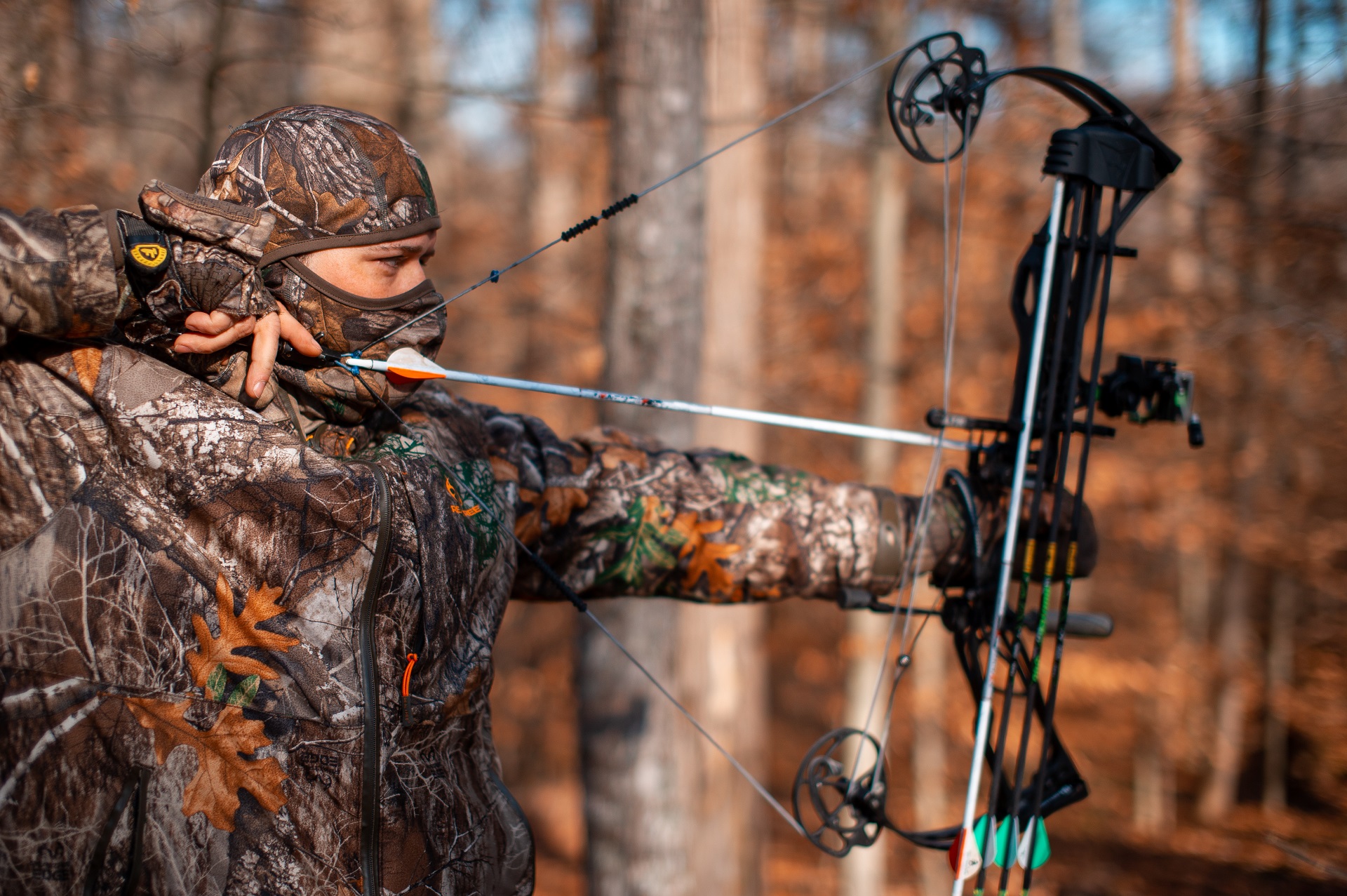
Bowhunters harvested 368 bears (230M: 138F), 52% lower than the record harvest of 771 in 2003. When acorns are common black bears' home range shifts are minimal between seasons but they increase their activity in a specific area making them less likely to encounter a bowhunter in a treestand (the most popular form of bowhunting in West Virginia ). The top five archery counties were Randolph (47), Webster (41), Nicholas (44), Greenbrier (35), and Kanawha (25).


Written by Christopher W. Ryan

Click On Links Below For PDF Versions of Tables 1-4

Table 1. West Virginia Black Bear Harvest By Season and County, 2004.
(PDF format, 7.56KB)

Table 2. Sex Ratios of West Virginia Black Bears For November Gun Season, Bow Season, And December Gun Season, 1964-2004.
(PDF format, 7.49
KB)

Click here to get acrobat reader (You will need Acrobat Reader to view these files)

Black Bear Harvest

Return to top of page

HOT TOPICS...
 | Game Harvest |  Trout Stocking |  Wildlife Viewing |  Licenses/Permits | 
 | Fishing Waters |  Park Regulations | 
Contact Webmaster | wildlife@wvdnr.gov
© 2003 West Virginia Division of Natural Resources