![]() |
![]() |
![]() |
![]() |
| Wildlife Home | Contact Us | News | DNR Home | ![]() |
|
|
| Hunting |
| Fishing |
| Law Enforcement |
| Publications |
| Disability Services |
| News/Info |
| Licensing |
| go Wild! |
| License Plate |
| Kid Zone |
|
|
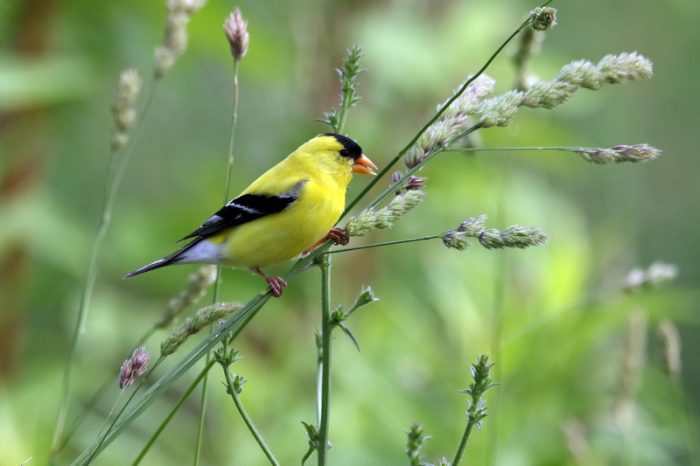
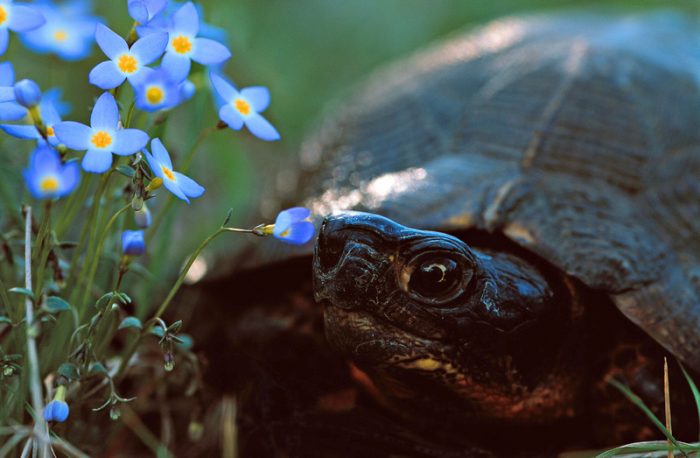
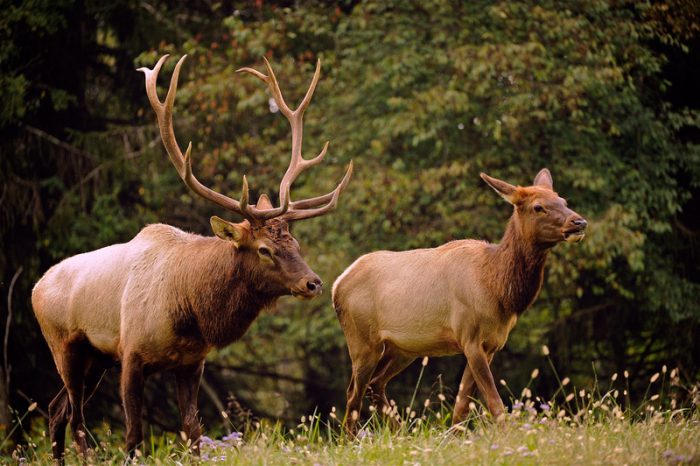
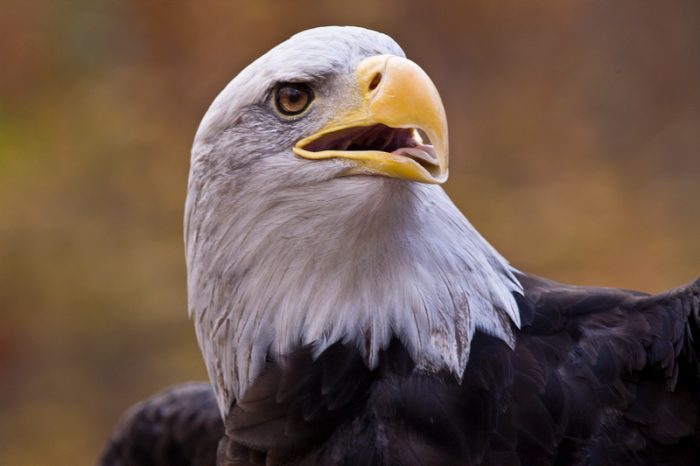
Wildlife Diversity Program and Natural Heritage Program The Wildlife Diversity Program’s primary responsibility is to conserve the state’s nongame wildlife resources through the identification and management of nongame species and their habitats. The WDP also seeks to inform and educate the public about the resource, and to enhance the recreational opportunities it provides. Conserving the diversity of nongame species is not only critical to the continued health of the state’s ecosystems, the resource also enriches the lives of the half million West Virginians who enjoy wildlife related recreation at home or in their travels. Nongame wildlife resources are experienced and enjoyed through activities such as birdwatching, nature photography and educational endeavors. This recreational tourism contributes more than $257 million annually to the state’s economy through expenditures for travel and equipment. As an essential component of the state’s natural beauty, nongame wildlife also benefits the state’s expanding tourism industry by attracting thousands of visitors to State Parks, Wildlife Management Areas, State and National Forests and private recreational facilities. Endangered SpeciesFifteen species of animals and six plants occurring in the state are currently listed by the U. S. Fish & Wildlife Service as either threatened or endangered. These species range from the bald eagle, our national symbol, to the running buffalo clover. Two species, the Cheat Mountain salamander and the flat-spired three-toothed land snail, are found in limited habitats only in West Virginia and nowhere else in the world. The Wildlife Diversity Program is entrusted with the protection and management of these rare animals and plants. The WDP works closely with federal land management agencies, such as the U.S. Forest Service, U.S. Fish & Wildlife Service, and the National Park Service, and with private landowners, to ensure that these species continue to be a part of our state’s fauna. For more information, go to Rare, Threatened and Endangered Species. Natural Heritage Program
In addition, the Natural Heritage Program strives to maintain a complete and accurate statewide assessment of rare species and ecological communities. This information is available to agencies, corporations and individuals for:
Program Funding and Teaming With WildlifeThe Wildlife Diversity Program derives its funding from several sources. In 1981 a tax check off was created to fund the program. However, this funding source continued to decline until it was eventually eliminated. Since 1994, the WDP has received annual general revenue funds averaging about $500,000. In 1998, the first wildlife license plate, featuring a rose-breasted grosbeak, was offered to the public. This plate, along with the recent addition of the white-tailed deer plate, brings in an annual average of $400,000 to the program. These funds are now being used to match available federal funding through the Wildlife Conservation and Restoration Act of 2001, State Wildlife Grants (2002 and 2003), and the Landowners Incentive Program (2002). In addition to these sources, some funding is derived from the Endangered Species Act for qualifying species. Teaming With Wildlife, an important federal funding initiative spearheaded by the International Association of Fish & Wildlife Agencies, is working to acquire long-term and stable federal funding for wildlife conservation, education and outdoor recreation in state programs nationwide. This initiative is gaining support in West Virginia with over 40 endorsements from businesses and conservation organizations. To learn more about Teaming With Wildlife, visit their home page: www.teaming.com. |
|
HOT TOPICS... |
|||||||
|---|---|---|---|---|---|---|---|
|
Trout Stocking |
Wildlife Viewing |
Licenses/Permits |
| Fishing Waters | Park Regulations | |
|||||||
|
Contact Webmaster
|
wildlife@wvdnr.gov © 2003 West Virginia Division of Natural Resources |
|||||||